Moving Beyond Standard Depression Care
Depression is more than just feeling sad—it is a complex neurological condition that affects mood, energy levels, focus, and overall well-being. When standard treatments or anti-depressant medications fall short or produce unwanted side effects, it can leave you feeling stuck.
At Psychogenix, led by Lawrence G. Lyons, PhD, Clinical Psychologist, we take a modern, data-driven approach. Rather than relying on guesswork, we map your brain’s electrical activity and deliver non-invasive therapies to stimulate underactive brain networks.
Book OnlineUnderstanding Our Technology-Assisted Depression Care
Traditional talk therapy addresses thoughts and emotions, but combining psychotherapy with advanced neuro-technology allows us to support both the brain and the mind simultaneously.
Treatments We Offer for Depression
1. Quantitative EEG (QEEG) Brain Mapping
- What it is: A painless, non-invasive assessment that records electrical activity across your brain.
- How it helps: Shows us exactly which areas of the brain are underactive or overactive so we can build a personalized treatment plan.
2. Transcranial Magnetic Stimulation (TMS)
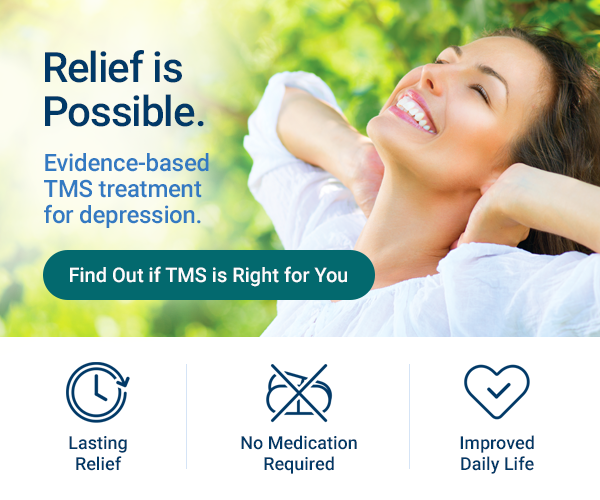
- What it is: An FDA-cleared therapy that uses gentle magnetic pulses—similar to an MRI machine—to stimulate mood-regulating regions of the brain.
- How it helps: Helps reactivate neural pathways involved in depression without systemic medication side effects. You can drive and return to normal activities immediately after a session.
3. Transcranial Direct Current Stimulation (tDCS) & Soterix Technology
- What it is: A gentle therapy delivering mild micro-currents through scalp electrodes.
- How it helps: Helps calm overactive stress responses and encourage healthy neuroplasticity.
4. Cognitive Behavioral Therapy (CBT) & Psychotherapy
- What it is: Goal-oriented talk therapy led by experienced clinical professionals.
- How it helps: Helps you identify unhelpful thought patterns, develop healthy coping tools, and build emotional strength alongside your technology sessions.
Why Choose Psychogenix for Depression?
- Data-First Care: We evaluate your brain activity using objective metrics before beginning therapy.
- Non-Pharmaceutical Options: Non-invasive neuro-technologies designed to support recovery alongside or independent of medication.
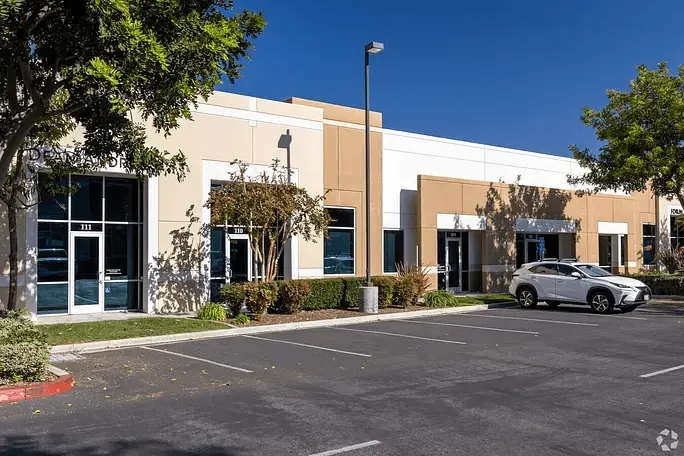
- Dual California Locations: Accessible clinics in both Santa Ana (Orange County) and Carlsbad (San Diego County).
- Accessible Payment Options: We accept California Workers’ Compensation and offer flexible patient payment plans through Cherry Finance and CareCredit.
Frequently Asked Questions
Can TMS and brain stimulation help if anti-depressants haven’t worked?
Yes. Non-invasive neuromodulation therapies like TMS are specifically designed for treatment-resistant depression, offering a non-drug alternative that directly stimulates mood-regulating brain networks.
Is treatment for depression painful?
No. Diagnostic mapping (QEEG) is completely passive and involves no sensation. During TMS or tDCS, most patients experience only light tapping or mild tingling on the scalp.
Does Psychogenix accept insurance for depression care?
We accept California Workers’ Compensation for eligible cases. For private care, we operate as a direct self-pay practice and offer simple monthly financing options through Cherry Finance and CareCredit.